Start a scenario

Start a practical scenario today Choose a scenario and start tracking

Choose a scenario that matches your situation, follow the step-by-step worksheet and track outcomes across predefined milestones. Use evidence from your records to refine priorities over time.

Checklist and timeline for ethical management review
Checklist
From intention to measurable action

Long-form guidance and real scenarios

EthicLnowTrack focuses on concrete, repeatable processes that help users convert values into measurable business choices. The long-form guidance includes three structured case studies: a household monthly reallocation, an SME supplier selection workflow and a retirement collection alignment exercise. Each case outlines starting conditions, data to collect (receipts, invoices, collection statements), decision points and a monitoring cadence. For example, the household case prescribes a six-week audit period where participants categorize transactions, assign priority scores to suppliers or goods, and then apply small allocation changes over the next two months. The SME case shows how to construct a supplier comparison matrix with weighted criteria such as labour practices, environmental management and cost impact, followed by a 90-day pilot with two preferred vendors. The retirement collection example demonstrates how to map existing holdings against a values checklist, model modest allocation shifts using conservative assumptions, and run quarterly outcome reviews to ensure the changes remain aligned with cashflow needs. Across these scenarios the emphasis is on realistic activity-offs, documentation templates and lessons learned so users can adopt steps that fit their capacity and risk tolerance. Practical sidebars explain how to record supporting evidence, how to set review milestones, and how to interpret early signals that may require recalibration rather than abandonment.

Step-by-step scenario worksheets
Local examples and adjustable templates
Short review cycles with clear metrics
Actionable decision matrices

Transparent Model

How EthicLnowTrack Works

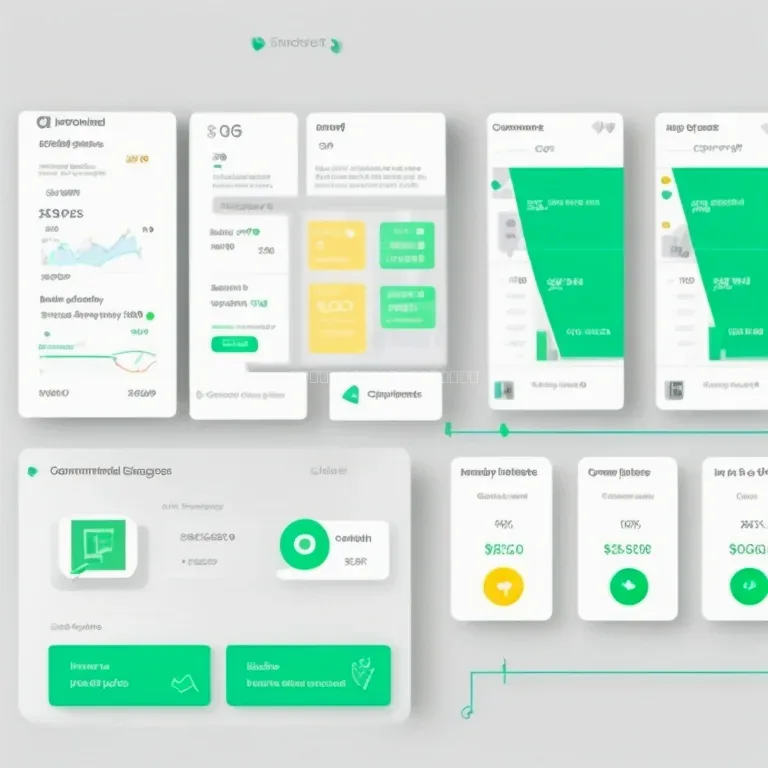
Workspace showing scenario planning documents and metrics
1

Our approach: Scenarios and evidence

EthicLnowTrack uses scenario-based learning and practical templates as the core of its service. Each scenario is built from an actual or simulated case, showing the data collection steps, decision criteria and recommended review cadence. Users follow a checklist to log actions and review outcomes so decisions remain traceable and evaluable.

The focus is on measurable steps rather than aspirational claims: users capture receipts, vendor documentation and collection statements, then run short review cycles to observe outcomes and adjust priorities based on evidence.

2

Services and templates

We offer downloadable templates, online scenario walkthroughs and optional advisor support. Templates include spending audit sheets, supplier comparison matrices and collection alignment checklists.

  • Spending audit worksheet (household and small office)
  • Supplier comparison matrix with weighted criteria
  • Collection values checklist and reallocation workbook

Clients may use materials independently or with scheduled advisor support sessions to interpret results and plan incremental changes.

3

Data privacy and handling

EthicLnowTrack collects only the information necessary to support scenario tracking and optional advisor sessions. Personal identifiers are minimised and stored separately from scenario evidence where possible.

Data minimisation and local compliance

We follow recognised data handling practices and operate within Singapore regulatory expectations. Users can export or delete their scenario data at any time through their account settings.

4

Pricing and pilot programs

Pricing is transparent and structured around access to scenarios, template downloads and optional advisor time. Pilot program rates are available for organisations that want to trial multiple scenarios with staff over a defined period.

Pilots include onboarding, two scenario implementations and a final review workshop to capture lessons learned and suggested next steps.

Pilot structure

Each pilot is scoped with clear deliverables and timelines to ensure practical outcomes are documented; sample timelines show a 12-week pilot with milestones at weeks 2, 6 and 12.

5

Community and learning

EthicLnowTrack supports a community of users who share anonymised lessons from scenarios and practical adjustments. The community is focused on learning from realistic activity-offs, not promoting untested claims.

Resources include short case summaries, downloadable templates and recorded walkthroughs of completed scenarios so new users can see practical examples.

6

Local partnerships

Case study: A mid-sized Singaporean non-benefit sought to align its commitment policy with donor expectations while maintaining availability. EthicLnowTrack worked with their treasurer to map existing holdings, identify three conflict areas, and create a decision log. The approach relied on scenario analysis: if a potential donor restricts resources use, how does that affect availability needs over the next 12 months? We present the case, the steps taken, and measurable process changes implemented on 18-03-2026.

  • Map existing business positions and flag ethical risk categories using clear tags.
  • Create a decision log that records rationale, stakeholders consulted, and activity-offs.
  • Run short scenario stress-tests to see how values-driven constraints affect cash flow and reserves.

Practical outcome: the non-benefit implemented a three-tier permission model for commitments, kept minimum liquid reserves, and added an annual review tied to stakeholder surveys. The case shows small process changes can increase transparency without disrupting operational stability.

7

Contact and follow-up

Scenario: A family office in Singapore wanted to prioritize sustainable suppliers but faced higher short-term costs. EthicLnowTrack helped structure priority tiers and a phased procurement plan. The plan used quarterly KPIs to measure supplier performance and a decision matrix to weigh cost, ethical alignment, and operational risk — enabling incremental shifts instead of abrupt budget shocks.

Result: The family office reallocated 12% of supplier spend over two quarters to higher-alignment vendors while monitoring service continuity and cost variance. The example highlights how staged changes and KPIs reduce implementation risk and keep ethical priorities actionable.

Contact EthicLnowTrack

For scenario-driven consultations, training sessions, or to request our practical decision templates, reach out to EthicLnowTrack. We provide case-based frameworks tailored to Singapore organisations seeking to track and prioritise ethical business choices without disrupting core operations.

Request a case review