Workshops

Scenario Workshops for Teams

Workshops use live examples from participants to simulate decision paths, test prioritisation matrices, and produce an actionable decision log by the session end. The format emphasizes rehearsal of real choices rather than abstract theory.

Book a workshop
Long-form guide: Embedding Ethical Priorities into Business Decisions

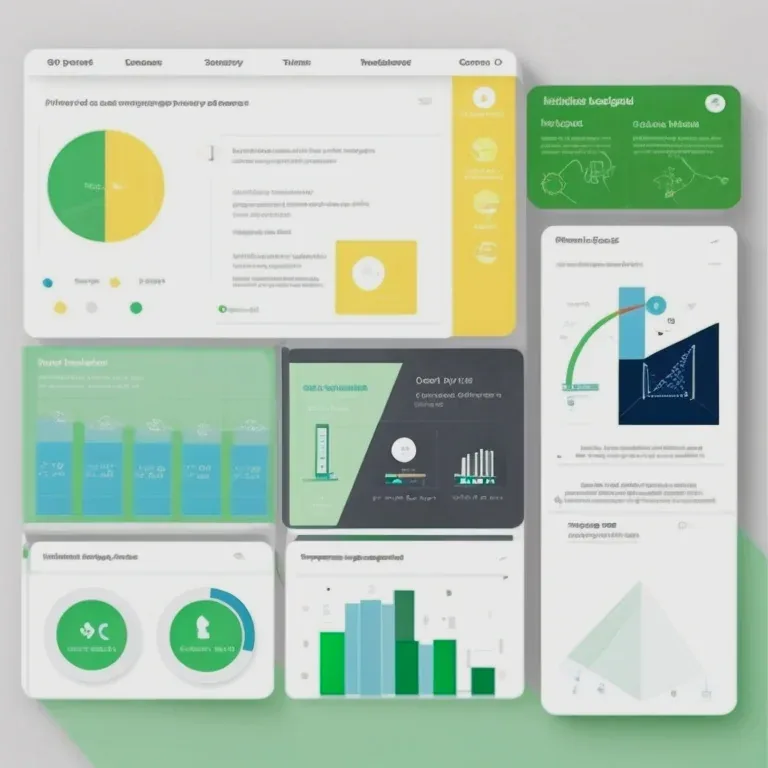
This guide presents a sequence of practical scenarios and exercises to help organisations embed ethical priorities into business operations. Beginning with a mapping exercise, teams list their top five values and identify common business touchpoints: commitments, procurement, partnerships, and grant acceptance. For each touchpoint we include a short case: a social enterprise weighing a restricted grant, a family office balancing supplier alignment with cost stability, and a charity responding to a corporate donor with conditional requirements. Each case is followed by a step-by-step application of a prioritisation matrix, a decision log entry template, and a short plan for phased implementation with measurable checkpoints. The guide stresses incremental steps: pilot small changes, monitor the impact on operations and cash flow, and document stakeholder feedback. Practical tips include establishing a minimum availability buffer before committing to costlier but higher-alignment options, assigning a single point of accountability for each decision, and scheduling a six- to twelve-week review cycle tied to explicit KPIs. Examples show how to draft contingency clauses with suppliers to reduce service disruption and how to use donor agreements to balance mission alignment with fiscal responsibility. The approach is intentionally conservative: it aims to make ethical priorities operational and auditable without assuming rapid or risk-free transitions, and it provides real-world templates to replicate the cases.

Decision logs with case examples and fillable fields
Prioritisation matrix templates tailored to procurement and commitments
Phased implementation plans with checkpoints and contingency actions
Start a case

Turn ethical intent into documented practice Scenario-led reviews and templates for practical decisions

Book a focused session to map one live business decision and produce a documented decision path with follow-up checkpoints.

  • 1 One-session case review (60–90 minutes)
  • 2 Template package: logs, matrices, and checklists
  • 3 Optional follow-up to implement phased changes

Office

Visit us

EthicLnowTrack — Practical ethical management tools Based in Singapore, serving organisations with scenario-driven support
Contact

Appointments are scheduled during business hours; out-of-hours options may be available by prior arrangement.

Frequently asked questions

Non-benefits, family offices, SMEs, and corporate procurement teams can all benefit. We use real-case scenarios to tailor tools so they fit governance structures and cash-flow realities specific to each organisation.

A focused initial review is usually scheduled for 60–90 minutes. That session identifies constraints, stakeholders, and a recommended next-step roadmap with measurable checkpoints.

Yes. EthicLnowTrack offers practical templates — decision logs, prioritisation matrices, and supplier checklists — each paired with an example showing application in a live scenario.

The frameworks include triage steps specifically for time-sensitive situations so teams can record immediate decisions and plan follow-up reviews to manage longer-term alignment without disrupting operations.

We recommend short-term process KPIs such as documented decisions, stakeholder sign-off rates, and supplier transition milestones. These are practical metrics that show improved traceability and execution, not predictive outcomes.

We focus on practical decision frameworks and tracking. Where regulatory interpretation is required, we recommend combining our scenario templates with formal legal or compliance advice specific to Singapore regulations.

Yes. Training sessions use real organisational scenarios to practice prioritisation, decision logging, and stakeholder communication. Sessions are interactive and focused on repeatable techniques.

Initial consultations and submitted materials are treated as confidential and handled according to our privacy policy. We use practical redaction and aggregation techniques when referencing examples publicly.

We help map prioritisation outcomes to procurement checkpoints and phased implementation plans, with contingency rules to ensure continuity while values-based shifts occur.

Pricing is project-based and depends on scope. Typical engagements begin with a single-case review and optional follow-on implementation support; specific quotes are provided after an initial scoping discussion.